Poor knife choices often reveal themselves quickly. Loose sheaths, weak steel, and awkward grips create regret. A smart purchase starts with careful observation. Material quality matters. Carry comfort matters. Practical design matters more than flashy styling. Buyers seeking the Best Boot Knife benefit from understanding those details before spending money.
Why Do Cheap Designs Fail So Quickly?
Low prices often hide important compromises. Thin steel loses sharpness within limited use. Weak retention creates carrying concerns during movement.
Small flaws become larger frustrations over time. A rattling sheath distracts attention. Rough handle edges create discomfort. While attractive photos encourage purchases, real performance reveals true quality.
Blade Features Worth Examining
Steel quality deserves close attention before purchase.
- Holds an edge through repeated cutting
- Resists corrosion during outdoor exposure
- Sharpens without excessive effort
- Handles pressure without visible damage
Consider camping trips as an example. Dull edges slow simple tasks. Better materials reduce maintenance and improve reliability during extended use.
What Makes Carrying Comfortable?
Fit matters more than blade appearance. An excellent knife feels secure throughout daily wear. Poor placement creates irritation during walking.
Important details include:
- Secure clip design
- Slim profile
- Comfortable handle contours
Bulky options attract attention unnecessarily. Compact construction allows smoother concealment beneath clothing. Comfort encourages regular carry rather than leaving equipment unused.
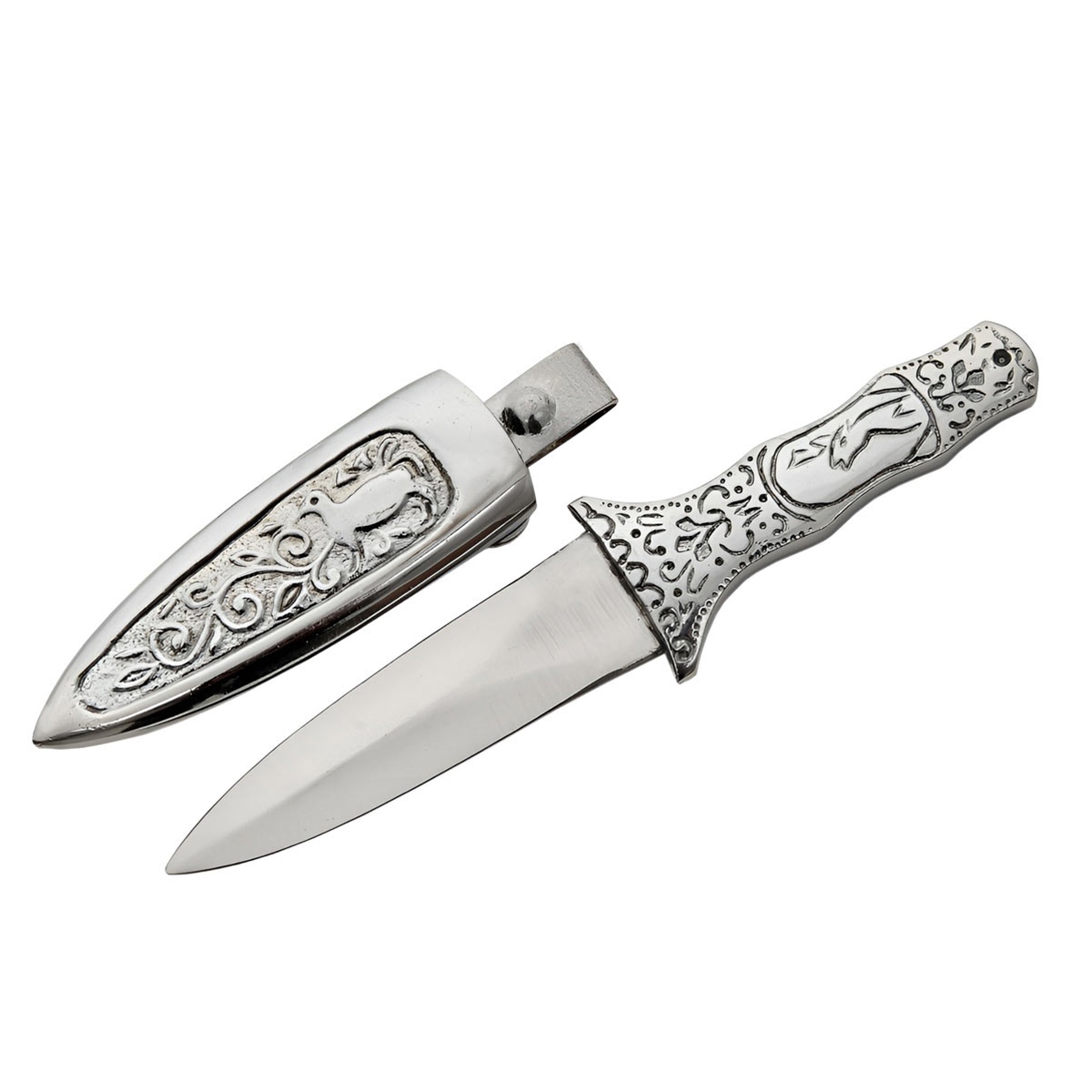
Looking Beyond Marketing Claims
Product descriptions often emphasize appearance first. Practical buyers examine construction details instead. Tang design, retention strength, and grip texture reveal more useful information.
The Best Boot Knife earns value through dependable performance. Brand reputation helps, yet physical inspection remains important. Strong retention and balanced handling often outperform decorative features costing extra money.
Warning Signs Buyers Should Notice
Certain indicators suggest disappointing ownership experiences ahead.
- Loose blade fit
- Thin sheath material
- Slippery grip surface
- Uneven edge grind
- Weak stitching
Customer feedback sometimes highlights recurring faults. Repeated complaints deserve attention. Consistent durability concerns rarely disappear through marketing language alone.
The Detail That Separates Smart Purchases
A secure sheath often determines long-term satisfaction. Sharp steel attracts immediate attention. Retention quality influences daily experience far more often. One loose carry system can undermine excellent craftsmanship elsewhere. Viewed through that lens, spending slightly more for dependable retention protects both safety and value, making every dollar work harder long after purchase. A well-fitted carry system keeps the blade stable during constant movement. Over months of use, that small advantage becomes far more valuable than decorative features.
FAQs
How long should a quality boot knife stay sharp?
Good steel maintains usable sharpness through extended cutting tasks. Actual duration depends on material choice and usage conditions.
Is a double-edged blade always better?
Not always. Intended use determines suitability. Certain profiles offer stronger utility performance for everyday cutting tasks.
Why does sheath quality matter so much?
Retention affects safety, comfort, and accessibility. A poor sheath can create problems even when blade quality remains excellent.
Should buyers choose the cheapest option available?
Low pricing often reflects material compromises. Better value comes from balanced construction, durability, and dependable carrying features.
Categories: Shopping
