How Dental Implants Affect Sensory Perception and Temperature Sensitivity in Your Mouth
Understanding the Sensory Landscape of Your Mouth
The human mouth represents one of the most sensitively innervated areas of the entire body, equipped with an intricate network of nerve endings that detect pressure, texture, and temperature with remarkable precision. When individuals undergo dental restoration procedures, particularly those involving dental implants in Bromley or elsewhere, many wonder how these titanium fixtures might alter their oral sensory experience. The relationship between artificial tooth roots and sensory perception proves far more nuanced than one might initially imagine.
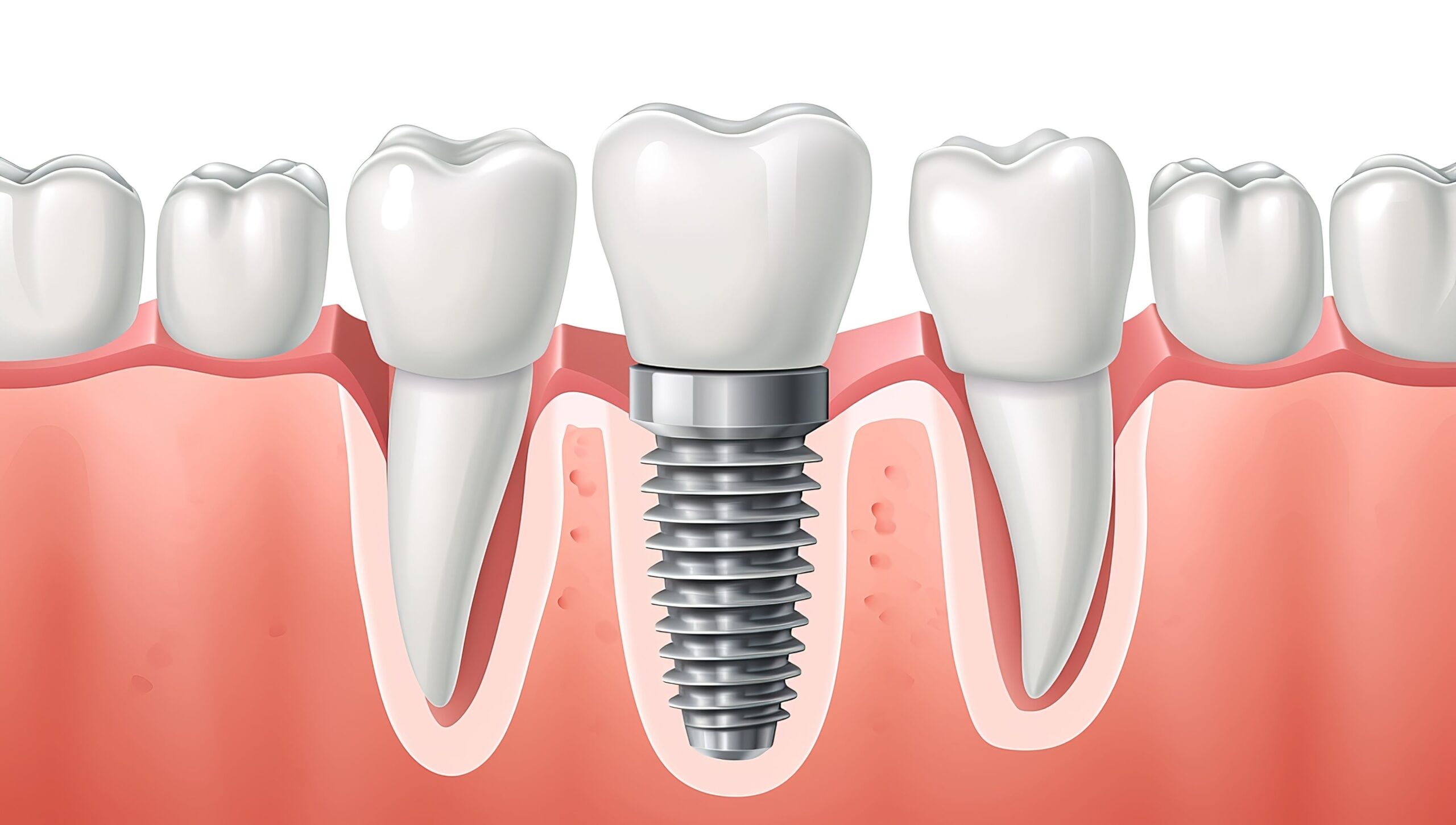
Natural teeth possess a unique sensory advantage through the periodontal ligament, a specialised connective tissue that surrounds the tooth root and acts as a sophisticated mechanoreceptor. This biological marvel enables individuals to detect minute forces and temperature changes with astonishing accuracy. Dental implants, however, integrate directly with the jawbone through a process called osseointegration, bypassing this natural sensory apparatus entirely. This fundamental difference raises legitimate questions about how patients perceive their restored dentition.
The Science Behind Sensory Feedback in Implants
Research into how dental implants interact with nerve structures has revealed fascinating insights about adaptive sensory mechanisms. Whilst implants lack the periodontal ligament’s direct feedback system, the surrounding bone, gingival tissues, and adjacent structures maintain their innervation. These neighbouring sensory pathways compensate to some degree, allowing patients to develop a modified but functional sense of their implant-supported teeth.
Studies have demonstrated that patients with dental implants can still detect forces applied to their artificial teeth, albeit with reduced sensitivity compared to natural dentition. The mechanoreceptors in the surrounding mucosa, periosteum, and remaining natural teeth contribute to this sensory input. Over time, the brain remarkably adapts to interpret these alternative signals, creating a new sensory map that incorporates the implant as part of the oral landscape.
Temperature Sensitivity and Thermal Conductivity
One particularly intriguing aspect of implant sensory perception concerns temperature sensitivity. Titanium, the material most commonly used for dental implants, possesses thermal conductivity properties quite different from natural tooth structure. Whilst natural teeth contain layers of enamel and dentine that provide some insulation, titanium conducts temperature more readily.
Interestingly, patients often report that their implant-supported crowns feel less sensitive to temperature extremes than their natural teeth. This counterintuitive phenomenon occurs because the porcelain or ceramic crown material acts as an insulator, and the absence of the nerve-rich pulp chamber means there are no internal tooth nerves to register thermal changes. The surrounding gingival tissue does retain temperature sensitivity, but the overall sensation differs markedly from that experienced with natural teeth.
Adapting to Your New Sensory Reality
The adaptation period following implant placement varies considerably amongst individuals. Most patients report that within several months, they become accustomed to the altered sensory feedback from their implants. The brain’s neuroplasticity enables it to recalibrate expectations and interpret the available sensory information effectively. This adjustment process typically occurs unconsciously, though some individuals benefit from paying conscious attention to their bite force and chewing patterns during the initial months.
Dental professionals often advise patients to exercise caution with extremely hot beverages or foods during the early adaptation phase. Without the immediate warning system that natural teeth provide, individuals might inadvertently expose oral tissues to damaging temperatures. However, research into dental implant outcomes suggests that most patients successfully navigate these challenges without incident.
The Broader Implications for Oral Function
Beyond simple temperature and pressure detection, sensory perception influences crucial aspects of oral function including bite force modulation, food texture discrimination, and protective reflexes. Patients seeking information about dental implant sensory characteristics should understand that whilst some sensory differences persist, functional outcomes remain excellent for the vast majority of recipients.
The reduced proprioceptive feedback from implants compared to natural teeth rarely impairs daily activities such as eating, speaking, or oral hygiene maintenance. Most individuals adapt seamlessly, developing compensatory strategies that leverage remaining sensory input from other oral structures. The practical impact on quality of life typically proves minimal, particularly when weighed against the substantial benefits that dental implants provide in terms of aesthetics, function, and oral health preservation.
Final Thoughts on Sensory Adaptation
The relationship between dental implants and oral sensory perception represents a fascinating intersection of biomechanics, neuroscience, and clinical dentistry. Whilst implants undeniably alter the sensory landscape of the mouth, the human nervous system demonstrates remarkable capacity for adaptation. Understanding these changes enables patients to approach implant treatment with realistic expectations and confidence in their long-term functional outcomes.