Understanding the Modern Approach to Bruxism
Teeth grinding during sleep, medically known as bruxism, affects millions of people across the United Kingdom. Whilst many individuals remain unaware they suffer from this nocturnal habit, the consequences can be severe, ranging from worn tooth enamel to chronic jaw pain and persistent headaches. Traditionally, dentists have relied on mouth guards and lifestyle modifications to manage this condition. However, a growing number of dental practitioners are now turning to an unexpected ally in the fight against bruxism: Botox injections.
The use of Botox in dentistry represents a fascinating convergence of cosmetic medicine and therapeutic dental care. What was once primarily associated with smoothing wrinkles has emerged as a viable treatment option for patients who clench and grind their teeth whilst sleeping. Dentists who offer Botox Tunbridge Wells treatments have observed remarkable results in patients suffering from persistent bruxism, particularly those who have found limited success with conventional interventions.
The Science Behind Botox for Teeth Grinding
Botulinum toxin, the active ingredient in Botox, works by temporarily paralysing or weakening muscles. When strategically injected into the masseter muscles—the powerful muscles responsible for chewing located at the angle of the jaw—Botox reduces their ability to contract forcefully. This doesn’t eliminate the grinding reflex entirely, but it significantly diminishes the intensity of the muscle contractions that occur during sleep.
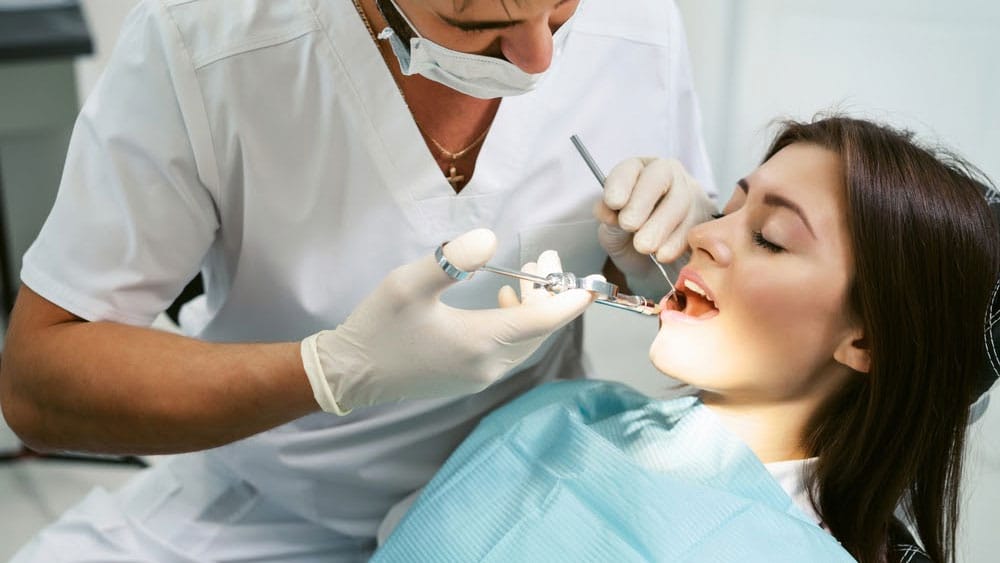
The treatment process is remarkably straightforward. During a consultation, the dentist assesses the patient’s jaw muscles, examining the degree of hypertrophy and determining the optimal injection sites. The procedure itself typically takes less than thirty minutes, with several small injections administered directly into the masseter muscles on both sides of the face. Most patients report minimal discomfort during the injections, describing only a slight pinching sensation.
Benefits Beyond Reducing Grinding
The advantages of using Botox for bruxism extend well beyond simply preventing teeth grinding. Patients frequently report a substantial reduction in morning jaw pain and tension headaches, both common complaints associated with nocturnal grinding. The treatment can also help preserve dental work, as the reduced grinding pressure means less stress on crowns, veneers, and natural tooth structures.
Another unexpected benefit involves facial aesthetics. The masseter muscles can become enlarged through constant grinding, creating a squared jawline that some patients find unflattering. Botox treatments naturally slim these overdeveloped muscles over time, resulting in a more contoured facial appearance. This dual benefit—therapeutic relief combined with aesthetic enhancement—makes the treatment particularly appealing to many patients seeking comprehensive solutions.
Who Makes an Ideal Candidate?
Dentists typically recommend Botox for bruxism when patients have exhausted other treatment options or suffer from particularly severe grinding. Ideal candidates include individuals who experience significant jaw pain, those who have damaged their teeth despite wearing night guards, and patients with pronounced masseter muscle hypertrophy. The treatment proves especially valuable for people who struggle with compliance wearing traditional mouth guards throughout the night.
However, Botox isn’t suitable for everyone. Pregnant or breastfeeding women should avoid the treatment, as should individuals with certain neuromuscular conditions. A thorough consultation with a qualified dental professional ensures the treatment aligns with each patient’s specific circumstances and medical history. Those interested in exploring Botox as an alternative solution to combat teeth grinding should discuss their complete medical background with their dentist.
Treatment Duration and Maintenance
The effects of Botox for bruxism typically become noticeable within three to seven days following treatment, with full results manifesting after approximately two weeks. The benefits generally last between three to six months, after which the muscle activity gradually returns to its previous state. Most patients require repeat treatments two to four times annually to maintain optimal results.
When comparing mouth guards versus masseter Botox, many dentists suggest a combined approach may yield the best outcomes for certain patients. The two treatments aren’t mutually exclusive and can work synergistically to provide comprehensive protection against bruxism-related damage.
The Future of Dental Botox Treatments
As more dental professionals receive training in administering Botox injections for teeth grinding, the treatment continues gaining acceptance within mainstream dentistry. Research supports its efficacy, and patient satisfaction rates remain consistently high. For those struggling with persistent teeth grinding, this innovative approach offers genuine hope for restful sleep and improved oral health, demonstrating how modern dentistry continues evolving to meet patient needs through creative, evidence-based solutions.
Categories: Dental
