Understanding the Thorough Assessment Process
A comprehensive dental examination represents far more than a cursory glance at one’s teeth. When patients visit a private dentist Harrow practice for this thorough assessment, they’re receiving a detailed evaluation that extends well beyond the visible surfaces of their smile. This systematic inspection forms the cornerstone of preventive dental care, enabling practitioners to identify potential issues before they develop into serious problems requiring extensive intervention.
The examination process has evolved considerably over recent decades, incorporating advanced diagnostic techniques alongside traditional assessment methods. Dental professionals now employ a multifaceted approach that examines not only the teeth themselves but also the supporting structures, soft tissues, and overall oral health ecosystem. This holistic perspective ensures that nothing escapes attention during the appointment.
External and Soft Tissue Evaluation
Before examining the teeth directly, dentists commence with an assessment of the external facial structures and soft tissues within the mouth. This initial phase involves checking the temporomandibular joint for any clicking, discomfort, or restricted movement that might indicate dysfunction. The practitioner will palpate the jaw muscles and observe how the patient opens and closes their mouth, noting any asymmetry or deviation.
The lips, tongue, cheeks, palate, and throat all receive careful scrutiny during this stage. Dentists look for abnormalities such as lesions, ulcerations, discolourations, or unusual growths that could signal various conditions ranging from minor irritations to more serious pathologies. Regular dental examinations help detect oral health problems early, making this soft tissue assessment particularly valuable for identifying issues that patients themselves might overlook.
Detailed Tooth-by-Tooth Inspection
Decay Detection
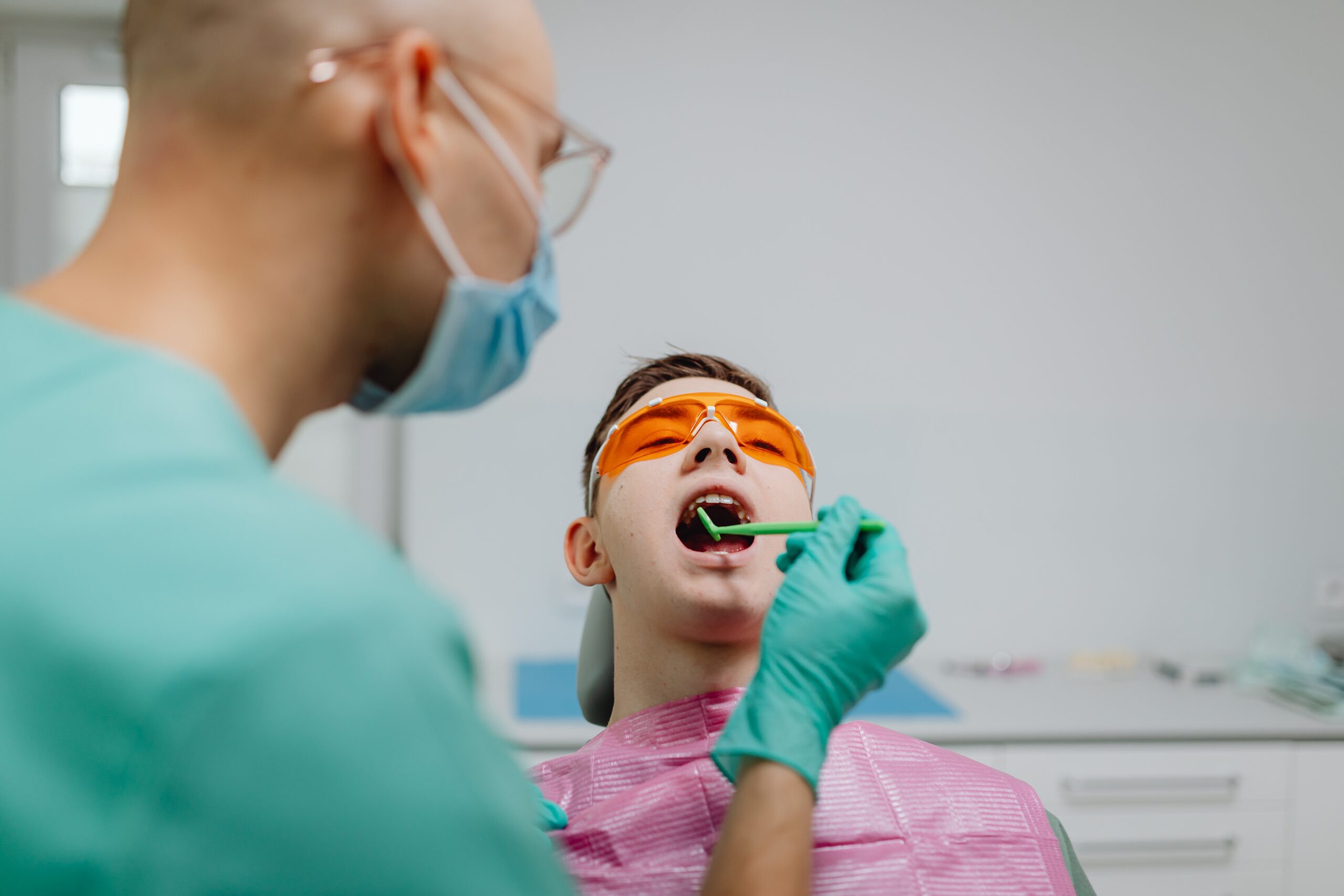
Each tooth undergoes individual examination using specialised instruments and visual inspection. Dentists probe for cavities, checking all five surfaces of every tooth for signs of decay. They look for characteristic indicators such as dark spots, rough textures, or areas where the explorer instrument catches, suggesting demineralisation or cavity formation beneath the enamel.
Existing Restoration Assessment
Any fillings, crowns, bridges, or other restorative work receives thorough evaluation to ensure these treatments remain intact and functional. Dentists check for marginal deterioration, where the seal between the restoration and natural tooth structure may have degraded, potentially allowing bacteria to infiltrate and cause secondary decay.
Gum Health and Periodontal Assessment
The examination of gum tissue constitutes a critical component of any comprehensive dental assessment. Dentists carefully evaluate the colour, texture, and contour of the gingiva, looking for signs of inflammation, recession, or abnormal pocket formation. Using a periodontal probe, they measure the depth of the sulcus around each tooth, recording any measurements exceeding normal parameters that might indicate periodontal disease.
Bleeding upon probing serves as an important indicator of gum inflammation, whilst the presence of calculus deposits signals areas requiring professional cleaning. Research has demonstrated the connection between periodontal health and systemic conditions, making this assessment particularly significant for overall wellbeing beyond oral health alone.
Occlusion and Bite Analysis
Dentists observe how the upper and lower teeth meet when the jaw closes, assessing the occlusion for proper alignment and function. They look for signs of excessive wear patterns, which might indicate grinding or clenching habits that could damage teeth over time. The bite relationship affects not only dental health but also jaw comfort and long-term tooth preservation.
Any malocclusion or misalignment receives documentation, as these conditions may warrant orthodontic intervention or other corrective treatments. The dentist evaluates whether teeth are positioned to distribute biting forces evenly, preventing undue stress on individual teeth or supporting structures.
Radiographic Examination
X-rays provide essential information not visible during clinical examination alone. These images reveal decay between teeth, bone loss, impacted teeth, cysts, tumours, and the position of developing teeth in younger patients. A complete dental examination typically includes radiographic assessment to ensure nothing remains hidden from view.
The frequency of radiographic examination depends upon individual risk factors, age, and dental history, with dentists following evidence-based guidelines to minimise radiation exposure whilst maintaining diagnostic efficacy.
Planning Your Ongoing Oral Health Journey
Following the comprehensive examination, dentists compile their findings into a cohesive assessment and treatment plan. This roadmap addresses immediate concerns whilst establishing preventive strategies for long-term oral health maintenance. Patients receive clear explanations of any identified issues, recommended treatments, and guidance on improving their home care routines. The comprehensive examination thus serves not merely as a diagnostic appointment but as the foundation for a collaborative approach to maintaining optimal dental health throughout one’s lifetime.
Categories: Dental
